
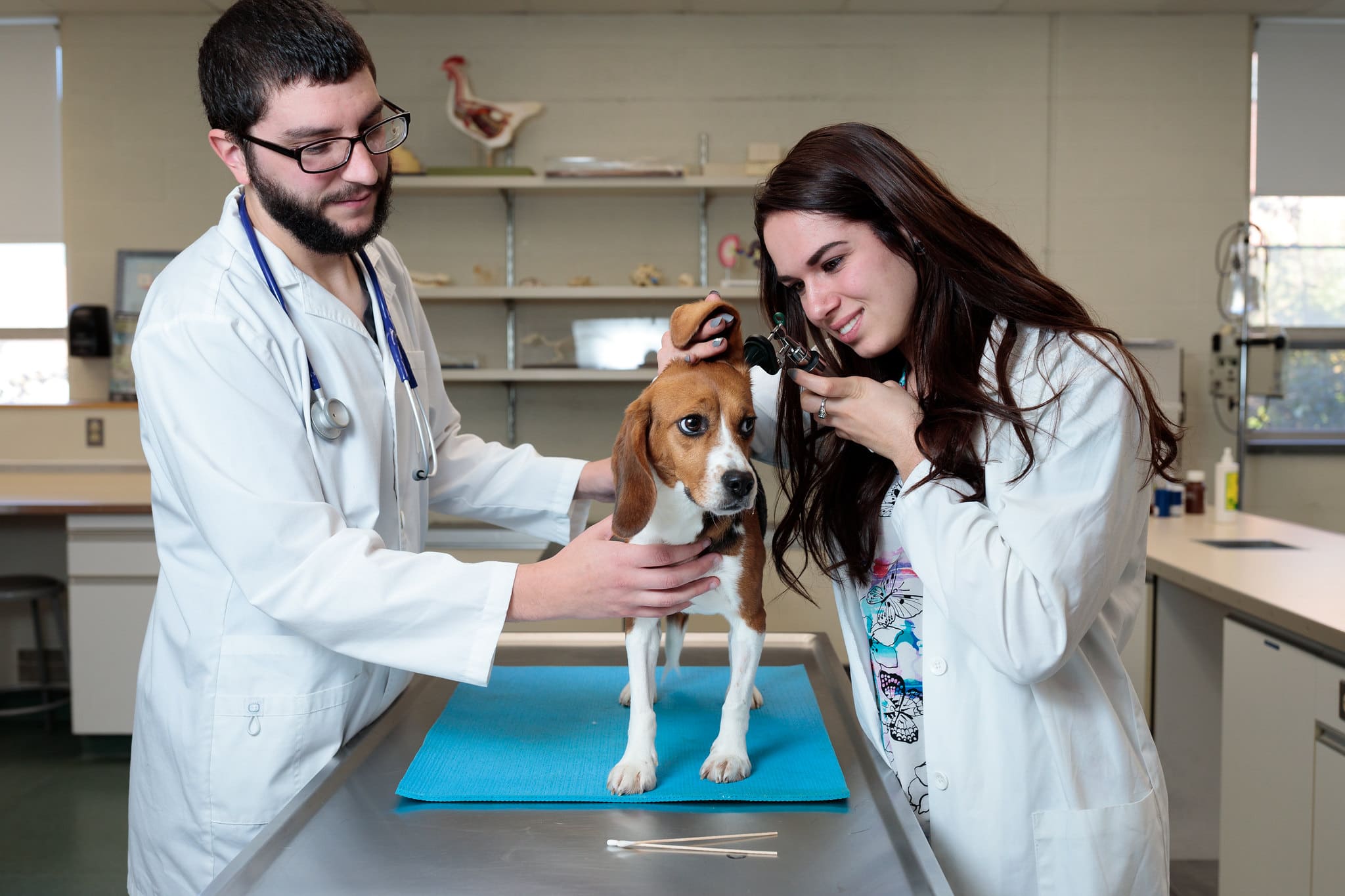
The veterinary technology program Anaheim offers a path that feels both practical and inspiring for anyone who wants to work hands-on with animals.
I first learned about this path years ago while helping a friend care for an injured stray dog he found behind his apartment complex.
Standing there with a trembling dog in my arms, I realized it takes skilled professionals—not just good intentions—to make a real difference in animal health.
That moment still sticks with me.
My friend later enrolled in the veterinary technology program Anaheim after spending a summer volunteering at a rescue clinic.
I watched him go from someone who simply loved animals to someone who understood anatomy, patient assessment, and clinical procedures with surprising confidence.
Table of Contents
What Makes Vet Tech Training in Anaheim Feel So Different
Choosing a training path is more than comparing course lists.
It’s about figuring out where you’ll actually grow.
In Anaheim, the learning environment blends real-world medical training with a pace that feels manageable even for busy adults.
Students aren’t hidden behind textbooks.
They step into lab settings early on, learning how to handle equipment, perform routine procedures, and communicate with pet owners.
I remember my friend telling me about the first time he assisted during a dental cleaning on an anxious terrier.
He said the experience wasn’t glamorous, but it taught him how much patience and precision the job requires.
Moments like that separate those who want to work with animals from those who are ready to take on responsibility in a clinical setting.
Hands-On Learning That Builds Real Confidence
One of the strongest advantages of studying in Anaheim is the focus on hands-on instruction.
Many students come in feeling unsure of their abilities, especially if their only experience has been pet ownership.
But that uncertainty fades fast once they start handling live patients under supervision.
My friend shared a story about the day he learned to take X-rays for the first time.
He had always imagined the process would feel technical and intimidating.
Instead, he said the instructors walked him through each step with such clarity that the procedure became second nature.
This kind of steady, skill-building training is what prepares students for clinical roles right after graduation.
Real Clinics, Real Animals, Real-Life Pressure
Classroom teaching alone can’t prepare anyone for the unpredictability of animal care.
That’s why the Anaheim approach includes exposure to real clinical environments.
Students see everything from routine vaccinations to emergency cases, giving them a genuine understanding of what the job feels like.
The first emergency my friend witnessed involved a cat that had swallowed a small metal trinket.
He told me how the medical team moved quickly but calmly, and how observing the process taught him the importance of staying composed even when the situation feels urgent.
These experiences shape future professionals long before they step into the workforce.
A Supportive Training Environment That Feels Personal
Many students describe the learning environment as warm and approachable.
No one feels like just another person in a crowded room.
Instructors often share insights from years in animal hospitals, shelters, and wildlife centers.
They guide students through mistakes instead of discouraging them.
My friend once told me about a time he misjudged how to restrain a nervous beagle.
Rather than reprimanding him, his instructor explained how to read the dog’s stress signals better.
That moment helped him understand not only animal behavior but also the importance of empathy in clinical work.
Preparing Students for Real Careers, Not Just Exams
While certification exams are important, true career readiness goes deeper.
Students learn clinical procedures, pharmacology basics, lab techniques, anesthesia monitoring, and proper record-keeping—skills employers expect from day one.
But they also learn how to talk to worried pet owners, collaborate with veterinarians, and manage fast-moving situations without hesitation.
My friend said the communication training surprised him the most.
He learned how to explain medical information in simple, reassuring language, which became invaluable during his internship at a local clinic.
It’s the kind of training that sticks with you long after graduation.
Why More Students Are Choosing Anaheim for Vet Tech Careers
Word spreads quickly among people who love animals.
Students choose Anaheim because they want training that feels both grounded and forward-thinking.
The location, the practical structure, and the welcoming environment all contribute to a path that feels achievable for many different types of learners.
When my friend completed his program, he told me he felt more prepared than he expected.
He walked into his first job interview confident—not because he memorized facts, but because he had lived the work already.
That’s what makes this training approach stand out.
The Path Ahead for Future Vet Techs
The world of animal care continues to grow.
Clinics, zoos, shelters, and research facilities all rely on skilled technicians who understand both science and compassion.
For anyone who wants a meaningful career working with animals, strong training is the foundation.
Seeing my friend build a career from something he once thought was just a dream showed me how powerful the right education can be.
His journey proves that becoming a veterinary technician isn’t reserved for people with years of experience.
It’s for anyone willing to learn, practice, and step into a role that genuinely helps animals and the people who love them.